In recent years, manga web series have emerged as a groundbreaking force in the realm of digital storytelling, transforming the way audiences interact with comics. The proliferation of online platforms has democratized the creation, dissemination, and consumption of manga, fostering an environment where creators can reach global audiences instantly. This shift signifies a new era where traditional publishing avenues are complemented—if not challenged—by dynamic web-based narratives that thrive in cyberspace. As the Internet continues its relentless march forward, manga web series symbolize a revolution in storytelling that combines visual artistry with interactive engagement in unprecedented ways.
The concept of a manga web series encapsulates a versatile blend of serialized storytelling, digital innovation, and community-driven content, making it an intriguing subject for analysis. Whether you're a creator eager to explore new formats or an avid reader immersed in diverse stories from across the world, understanding this evolution reveals insights into modern digital culture. This article delves into the rise of web manga, its distinctive characteristics, platform diversity, monetization approaches, influence on traditional publishing, and future trends—offering a comprehensive overview of this captivating digital phenomenon.
The Rise of Web Manga: A New Era for Digital Storytelling
The emergence of web manga series signals a pivotal shift in how stories are crafted and consumed. Unlike traditional manga published in magazines or physical volumes, web manga is primarily born and nurtured in online spaces, allowing creators to experiment freely without conventional editorial constraints. This democratization has opened doors for diverse storytelling styles, niche genres, and innovative art techniques that resonate with global audiences accustomed to instant access. The rise of this genre is further propelled by technological advancements such as high-speed internet, smartphones, and multimedia integration, rendering manga more accessible and engaging than ever before.
This new era embodies not only technological progress but also cultural fluidity—the blending of Japanese manga aesthetics with international storytelling influences. Web manga creators often leverage interactive features, such as animations, sound effects, and reader polls, fostering a participatory culture. Consequently, the web manga landscape is a dynamic ecosystem where creators and audiences co-evolve, shaping the narratives and formats that resonate most strongly. This ongoing transformation underpins a broader movement toward digital-first content, emphasizing immediacy, interactivity, and community engagement.
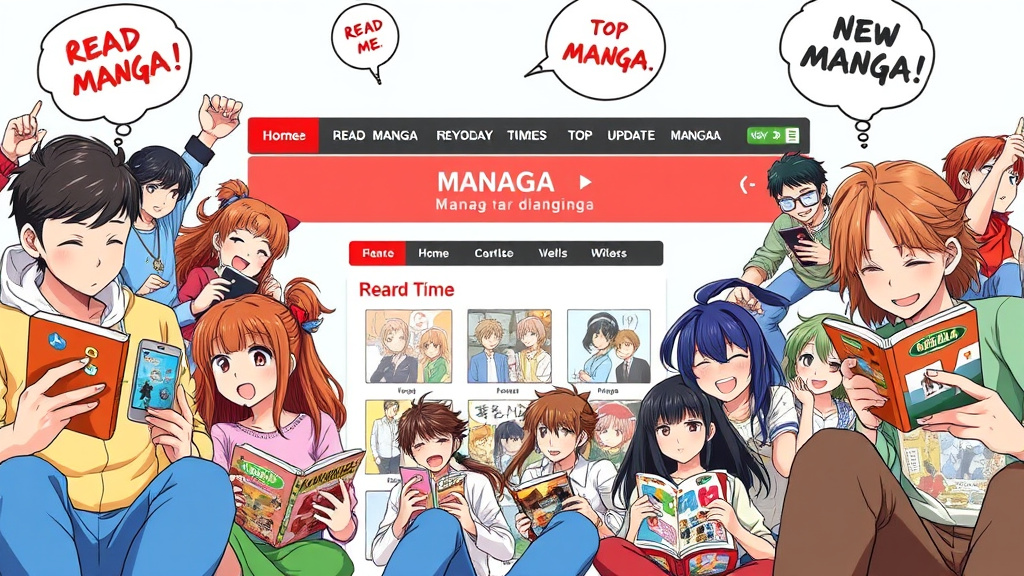
 Hình minh họa: manga sub english – manga web series
From Scroll to Screen: Understanding the Evolution of Web Series Manga
The transition from traditional scrolls and print to digital screens has fundamentally altered the fabric of manga storytelling. Historically, manga was a printed medium with fixed formats, constrained by publication schedules and print costs. The advent of web manga has disrupted these limitations by enabling serialization in real-time, with authors releasing chapters at their own pace. This evolution has catalyzed the rise of short-form stories, experimental art styles, and narrative complexity that can be adjusted based on reader feedback, fostering a responsive storytelling ecosystem.
Moreover, digital technology has reshaped user interaction with manga. Embedded in mobile-friendly formats, web manga strips adopt vertical, scrollable designs that align effortlessly with smartphone interfaces, creating an immersive experience that mimics natural reading flow. This change also allows creators to incorporate multimedia elements—such as animations, sound effects, or interactive links—that enhance storytelling depth. Essentially, manga web series have transcended static paper boundaries, now thriving as multimedia experiences that invite readers into deeply personalized worlds.
Key Characteristics of Successful Web Manga Series
Successful web manga series often share distinctive qualities that distinguish them in a crowded digital landscape. One such characteristic is adaptability—series that evolve based on reader feedback tend to build loyal communities and maintain relevance over time. Successful web manga often feature compelling characters, engaging plotlines, and innovative visual techniques that enhance storytelling. They also tend to embrace serialization, releasing episodes regularly to sustain reader interest and foster anticipation.
Furthermore, consistency in quality and a clear understanding of niche audience preferences are vital. Many top web manga creators leverage social media and platform features to promote engagement, encouraging comments, fan art, and discussions that generate buzz and foster community. This reciprocal interaction not only sustains readership but also helps creators refine their craft. Ultimately, web manga that combines creative storytelling, visual originality, regular content updates, and community interaction tends to thrive and have long-term impact.
Navigating the Diverse Landscape of Web Manga Platforms
The ecosystem of manga web series platforms is remarkably diverse, ranging from dedicated manga hubs to social media giants. Platforms like Webtoon, Tapas, and Manga Plus serve as hubs where creators upload serialized content, reaching millions of readers across the globe. Each platform differs in terms of user interface, monetization policies, community features, and audience demographics, influencing which kind of web manga thrives on each one. Some platforms emphasize professional-grade productions with high-quality art, while others prioritize indie creators and experimental works.
Understanding this landscape requires creators and publishers to consider platform-specific advantages: discoverability, community interaction, revenue sharing, and content guidelines. For readers, these platforms provide a treasure trove of genres, from action-packed adventure to intimate slice-of-life stories, all accessible through a single interface. Navigating this ecosystem effectively means recognizing which platform aligns best with the creator’s vision or the reader’s interests, thereby fostering mutually beneficial relationships across digital spaces.
Monetization Strategies for Web Manga Creators
Monetizing web manga series has evolved from traditional ad-based revenue to multifaceted approaches tailored to digital environments. Many creators rely on platform-specific revenue sharing, where income is generated through ad impressions, paid subscriptions, or tips from fans. Crowdfunding methods like Patreon or Ko-fi allow creators to secure recurring support, providing them with financial stability while maintaining creative freedom. Additionally, some creators monetize through merchandise, limited editions, or exclusive content offers, turning their beloved narratives into viable businesses.
The challenge remains balancing accessibility and profitability; offering free chapters draws in wide audiences, but incentivizing paid upgrades fosters sustainability. Successful monetization hinges on cultivating a dedicated community, leveraging social media, and providing value-added experiences beyond the comics themselves. As manga web series continue to grow in popularity, innovative monetization strategies—such as virtual events or interactive experiences—are emerging, promising a future where creators can thrive financially while engaging audiences on deeper levels.
The Impact of Web Manga on Traditional Publishing
The influence of web manga on the conventional publishing industry is profound, sparking both disruption and adaptation. Traditional publishers have recognized the undeniable potential of digital serialization, leading to new hybrid models where stories debut online before physical publication. Many established manga creators now leverage web platforms to test their ideas or build cult followings, bypassing traditional gatekeepers and gaining independence. This shift also encourages publishers to explore digital-first releases, responsive to changing consumer habits and technological advancements.
While some view web manga as a threat to traditional publishers, it also offers opportunities for innovation—such as digital magazines, multimedia extensions, and global distribution channels. This symbiotic relationship pushes the entire industry toward greater flexibility, diversity, and accessibility, ultimately benefiting both creators and fans. The digital revolution driven by manga web series is not merely a challenge to tradition but a catalyst for evolution, broadening the scope of storytelling and audience reach worldwide.
Audience Engagement and Community Building in Web Manga Series
In the web manga sphere, engagement creates the heartbeat of growth, with communities actively shaping content and cultural discourse. Unlike traditional manga, where readers consume stories passively, web manga fosters dialogue—via comments, fan art, shared theories, and direct feedback to creators. Successful creators often cultivate these communities by responding to fans, hosting contests, or involving audiences in decision-making processes such as voting on story directions.
This participatory dynamic transforms consumers into co-creators, strengthening loyalty and emotional investment. Such engagement drives virality and provides valuable data that helps creators refine their stories to better suit audience preferences. The power of community in manga web series underscores a fundamental truth: digital storytelling is inherently interconnected, with individual voices collectively influencing the course and cultural resonance of the narratives.
Trends Shaping the Future of Web Manga and Digital Comics
The future of manga web series is poised for innovation driven by technological advances and shifting cultural norms. Innovations like augmented reality (AR), virtual reality (VR), and AI-driven content creation will increasingly integrate with web manga, offering immersive storytelling experiences. The rise of multi-platform storytelling—blending comics with videos, games, and interactive features—suggests a transmedia future that enhances engagement and expands creative boundaries.
Furthermore, globalization and translation technologies will continue breaking down language barriers, allowing web manga to truly become a universal form of storytelling. Focus on diverse representation, genres, and experimental formats will keep the landscape vibrant and inclusive. As creators embrace these evolving tools and ideas, manga web series will likely redefine notions of narrative, interactivity, and community, shaping an exciting digital entertainment future.
Case Studies: Charting the Success of Popular Web Manga Series
Examining successful web manga series provides valuable insights into what drives popularity in the digital age. Titles like Tower of God or Lore Olympus started on online platforms before gaining international acclaim and print adaptations. These series often feature unique art styles, complex characters, and storylines that evolve with audience interaction. They demonstrate that engaging community involvement, high-quality storytelling, and savvy platform utilization can catapult a web manga from niche project to global phenomenon.
Such case studies highlight the importance of understanding platform algorithms, global outreach, and marketing strategies. They also show that success in this sphere often stems from deep engagement with readership, continuous innovation, and authentic storytelling. These examples serve as models for aspiring creators aiming to turn their web series into influential cultural projects.
Beyond Borders: The Global Reach and Influence of Web Manga
The worldwide accessibility of web manga has democratized cultural exchange, enabling stories from anywhere to reach a diverse global audience. Non-Japanese creators now contribute to this vibrant landscape, infusing international perspectives and genres into the medium. Platforms facilitate cross-cultural collaborations, fostering a multicultural digital environment where stories break language and geography barriers, often through quick translations and fan communities.
This global reach enriches the web manga ecosystem, encouraging varied storytelling and expanding influence beyond its traditional Japanese roots. It also challenges creators to consider universal themes and accessible visuals, ensuring their works resonate internationally. Ultimately, web manga is forging a shared global culture—one where digital innovation and cultural diversity coexist—shaping the future of comics as a truly worldwide artistic form.
Conclusion
The rapid growth of manga web series exemplifies the transformative power of digital media in storytelling, bringing new levels of accessibility, creativity, and community engagement to the forefront. From their inception on dedicated platforms to their influence on traditional publishing industries, these web-based narratives have reshaped how stories are created, consumed, and monetized, opening exciting prospects for creators and audiences alike. As technology continues to evolve and global boundaries dissolve, web manga stands at the forefront of a new era—an inclusive, interactive, and truly global dimension of digital comics that promises to redefine the future of storytelling as we know it.